01Benefit
Frost-Line Compliant Depth
Every hole is drilled below Michigan's 42-inch frost line, preventing the heaving and shifting that destroys gazebo structures over time.
Verified Standard
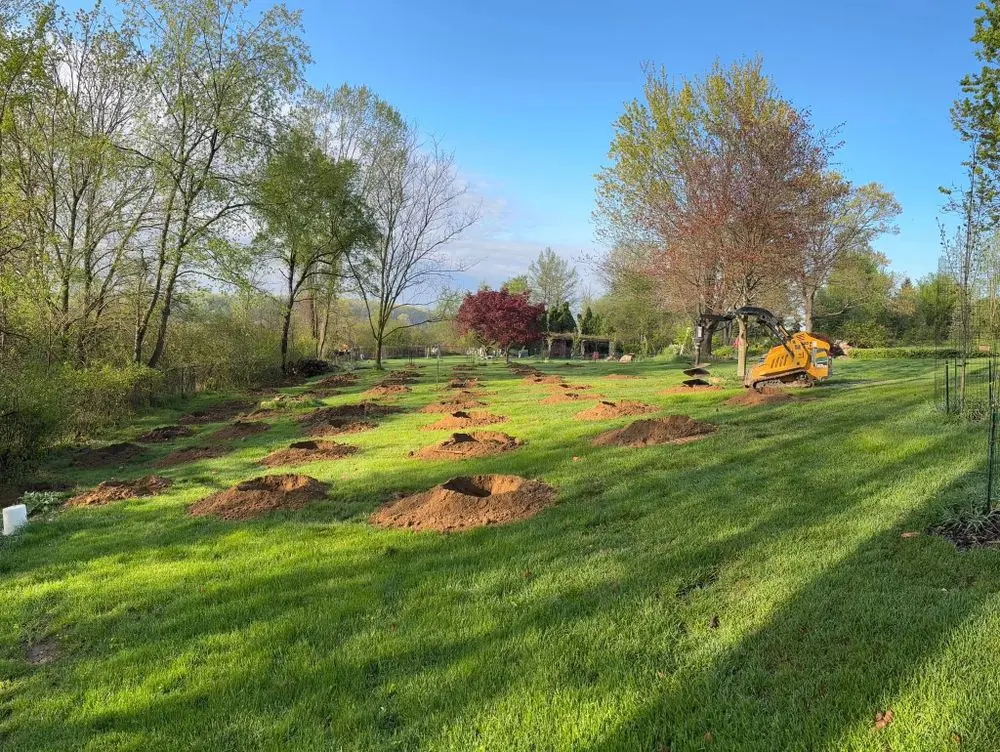
Professionally drilled postholes for gazebo construction — precise placement, proper depth, and clean holes that make building your outdoor retreat easier.
Overview
A gazebo is only as stable as the ground it stands on. Mr. Posthole provides professional posthole drilling for gazebo construction projects throughout Southeast Michigan, Mid-Michigan, and Northwest Ohio. Whether you're building a backyard cedar gazebo, a large pavilion-style gathering space, or a commercial gazebo for a park or event venue, we drill the footing holes your project needs — to the correct depth, diameter, and position.
Gazebo footings in Michigan must extend below the 42-inch frost line to prevent heaving and structural movement through freeze-thaw cycles. The number, depth, and diameter of postholes depend on the gazebo's size, shape, weight, and design. A standard 10x12 residential gazebo may require six to eight holes at 12 to 18 inches in diameter and 42 to 48 inches deep, while larger or heavier structures may need wider and deeper footings. Octagonal and hexagonal gazebos present unique layout challenges with angled spacing — our experienced operators ensure every hole is positioned accurately.
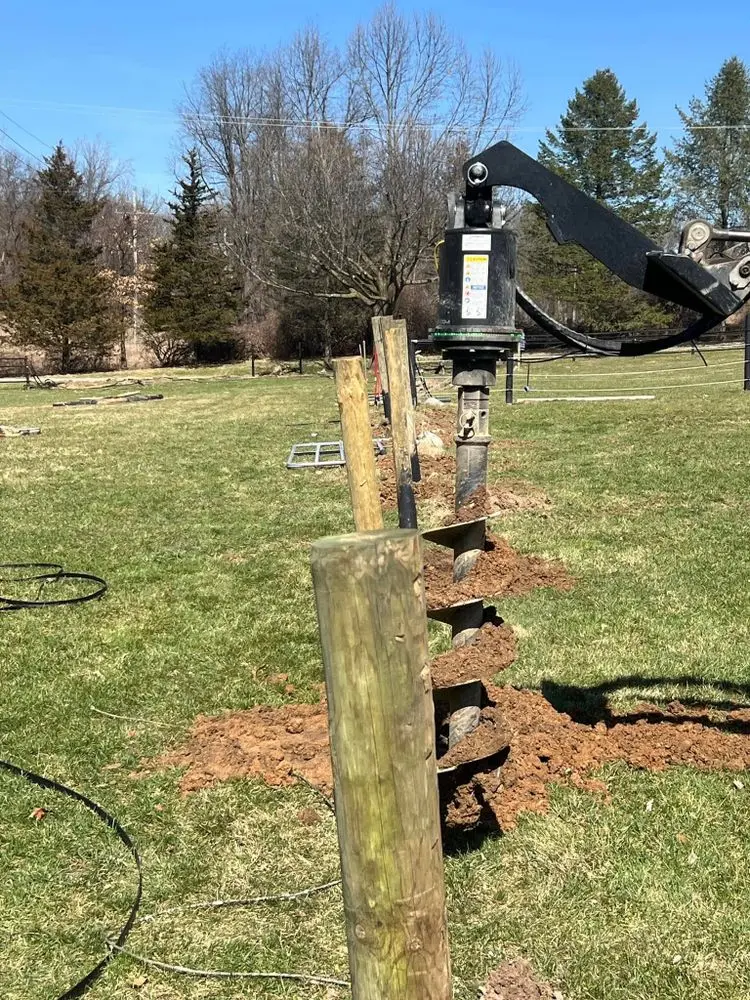
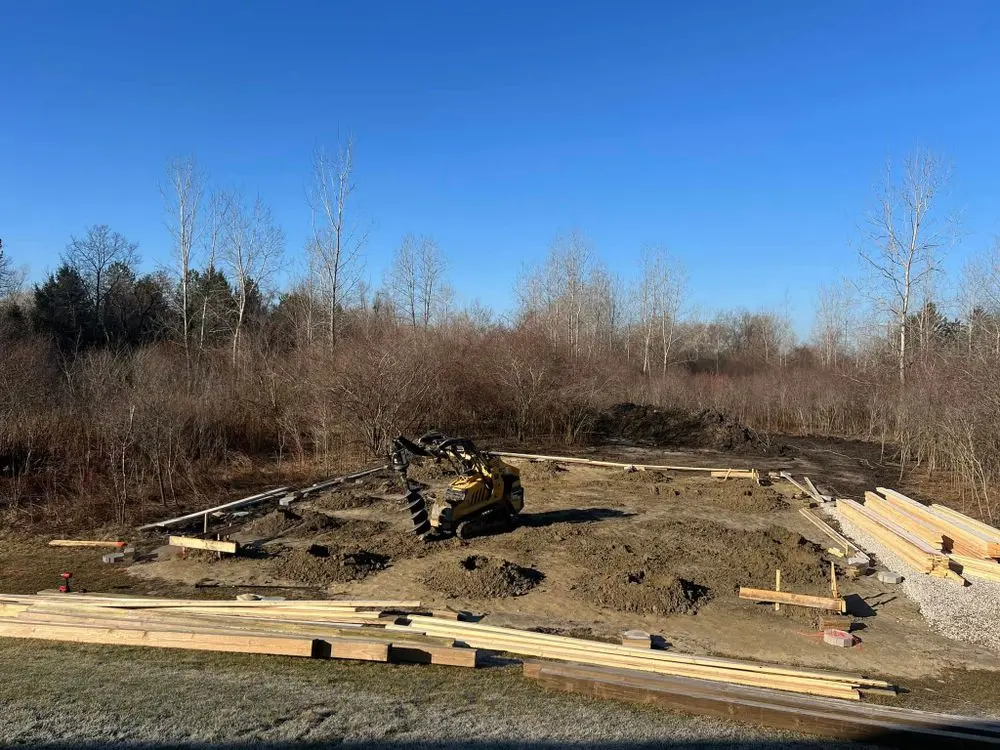
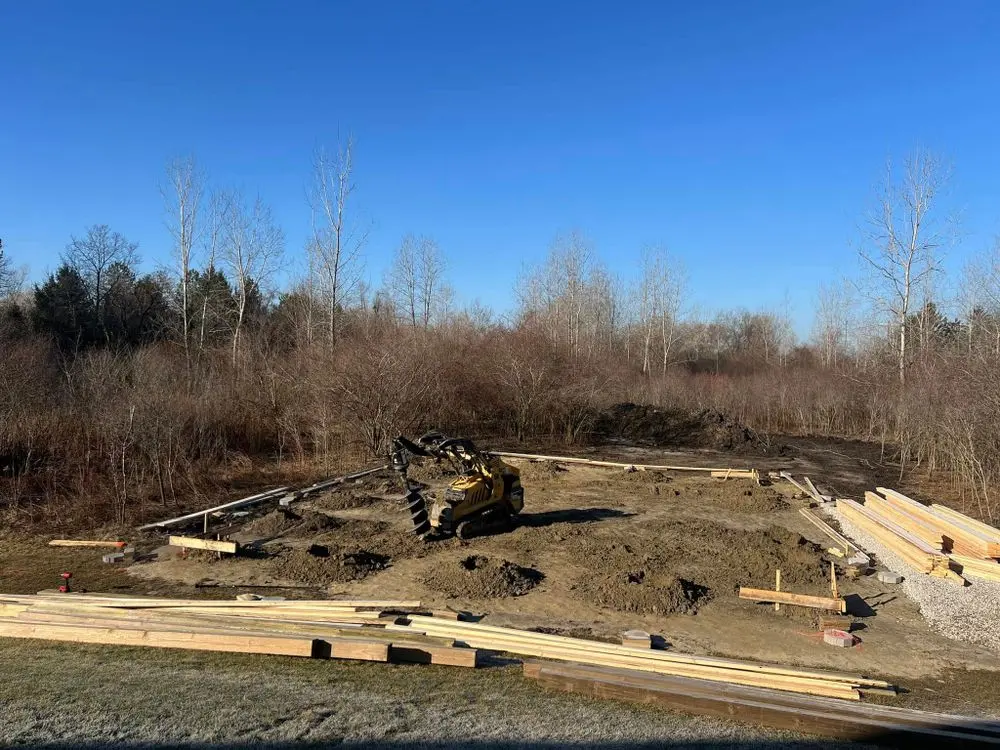
Our hydraulic auger equipment makes quick work of Michigan's clay soils, delivering clean, consistent holes ready for concrete footings or tube forms. Skip the backbreaking labor of hand-digging multiple deep holes and let Mr. Posthole prepare your gazebo foundation the right way.
Why It Matters
What you actually get when professional hydraulic auger drilling meets a job that's been done a thousand times before.
Every hole is drilled below Michigan's 42-inch frost line, preventing the heaving and shifting that destroys gazebo structures over time.
Gazebos often require 4, 6, 8, or more footings in precise geometric arrangements. We drill accurately to your layout so posts align correctly.
Hydraulic auger drilling produces uniform, round holes with flat bottoms — ideal for tube forms and concrete pours, unlike the irregular holes produced by hand digging.
From compact 8x8 backyard gazebos to large 20x20 pavilion structures, we match hole diameter and depth to your gazebo's engineering requirements.
Our equipment is designed to access backyard spaces and leave surrounding landscaping as undisturbed as possible.
Where We Drill This
If your project looks like one of these — or even close — we can drill for it. If it doesn't, ask anyway.
Tell Us About Your ProjectResidential backyard gazebos (wood, vinyl, composite)
Pavilion and large open-air shelter structures
Commercial park and event venue gazebos
Pergola and shade structure foundations
Hot tub enclosure gazebos
Garden and landscape feature structures
Frequently Asked
Straight answers to the things customers actually ask before booking a gazebo postholes job.
In Michigan, footings must extend below the 42-inch frost line. Most gazebo postholes are drilled to 42–48 inches, though larger or heavier gazebos may require deeper footings. Your local building department or gazebo plans will specify the exact requirement.
It depends on the design. A square gazebo typically needs 4 corner holes (plus possibly center supports). Hexagonal gazebos need 6, and octagonal designs need 8. Larger gazebos may require additional intermediate footings.
Yes. We regularly work in established yards and landscapes. Our equipment can access most backyard spaces, and we work carefully to minimize disturbance to surrounding lawn, gardens, and hardscape.
Most municipalities in Michigan require a building permit for permanent gazebo structures. The permit process will specify footing depth, diameter, and placement requirements, which we drill to. We recommend checking with your local building department before your project begins.
Don't See Your Question?
Email Kirk directly — most replies come back within a few hours during business days.
Ask a QuestionOther Services